



Are you tired of opening your lunchbox to find a sad, soggy sandwich that leaves you hungry an hour later? It is time to revolutionize your midday routine. We often settle for convenience over quality, but your body deserves fuel that tastes incredible and sustains your energy.
The solution to your dietary dilemma is easier than you think. By combining vibrant Mediterranean flavors with smart preparation, you can reclaim your lunch hour. This gluten-free greek chicken bowl is not just a meal; it is a lifestyle upgrade designed for flavor and function.
Ingredients List
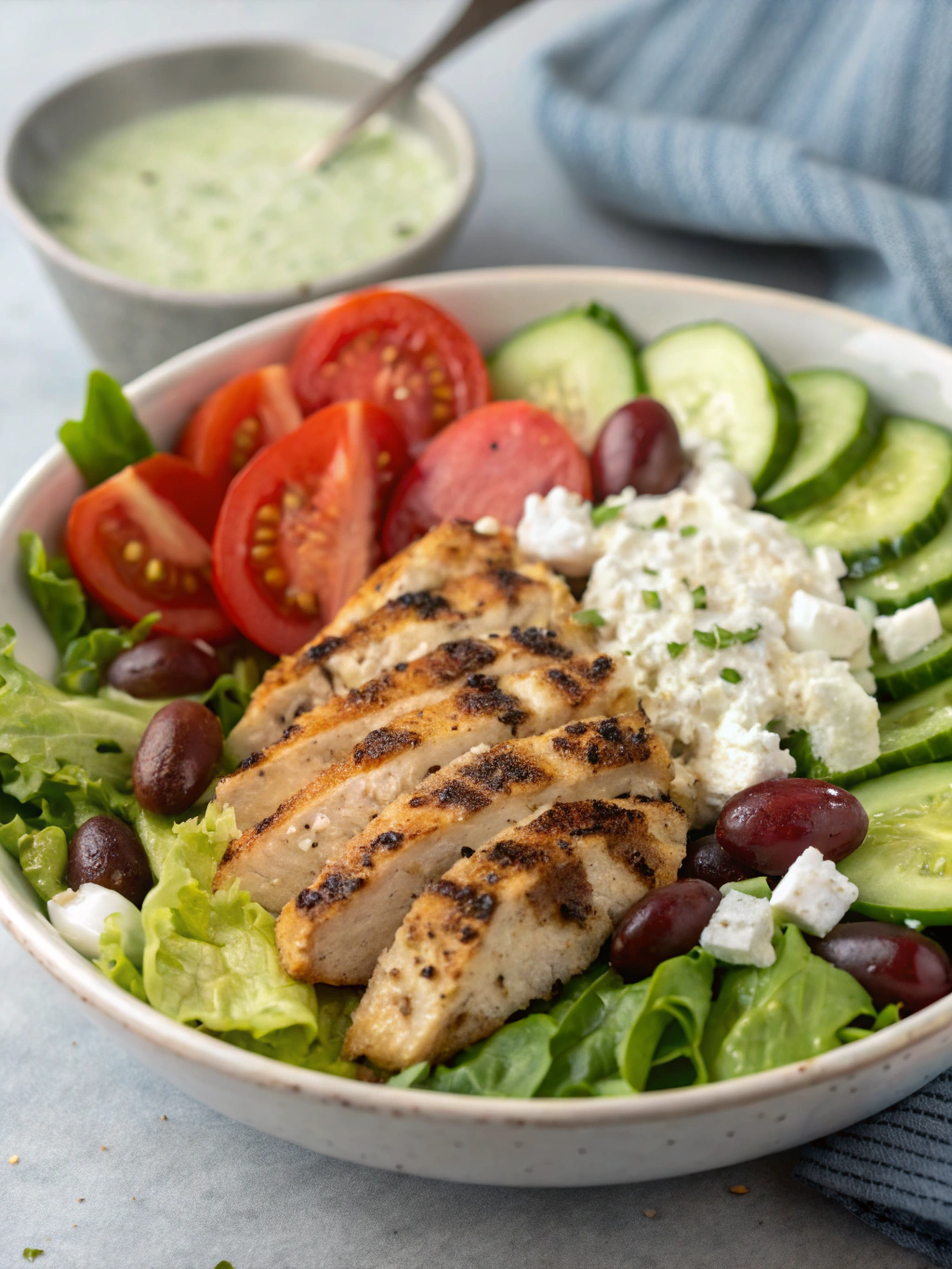
To create the perfect balance of zest and savory goodness, quality ingredients are paramount. This recipe relies on fresh produce and pantry staples common in the Mediterranean diet. Here is what you will need to get started:
- Chicken Breast: 2 lbs, boneless and skinless. You can substitute with chicken thighs for a juicier, more forgiving cut.
- Olive Oil: 1/3 cup extra virgin. Look for cold-pressed for maximum polyphenol content.
- Lemon Juice: 1/4 cup, freshly squeezed. Bottled juice lacks the essential oils found in fresh zest.
- Garlic: 4 cloves, minced. Fresh garlic provides a punchier flavor profile than powder.
- Dried Oregano: 1 tablespoon. This is the hallmark herb of Greek cuisine.
- Quinoa or Brown Rice: 2 cups cooked. Quinoa offers a complete amino acid profile for extra protein.
- Cherry Tomatoes: 1 pint, halved. They add a burst of sweetness and acidity.
- English Cucumber: 1 large, diced. These have fewer seeds and thinner skin, requiring no peeling.
- Kalamata Olives: 1/2 cup, pitted. Essential for that briny, salty contrast.
- Red Onion: 1/2 small, finely sliced. Soak in water for 10 minutes to reduce harshness if desired.
- Feta Cheese: 1/2 cup crumbled. Ensure it is certified gluten-free to avoid cross-contamination.
Timing
Time is a precious commodity, especially during the workweek. This recipe is optimized for efficiency without sacrificing the depth of flavor usually reserved for slow-cooked meals.
Preparation Time: 20 minutes
Marinating Time: 30 minutes (passive)
Cooking Time: 15 minutes
Total Time: 65 minutes
While an hour might seem significant, remember that this yields four to five robust meals. This investment of 65 minutes saves you approximately 20% more time compared to ordering and waiting for delivery daily throughout the week.
Step-by-Step Instructions
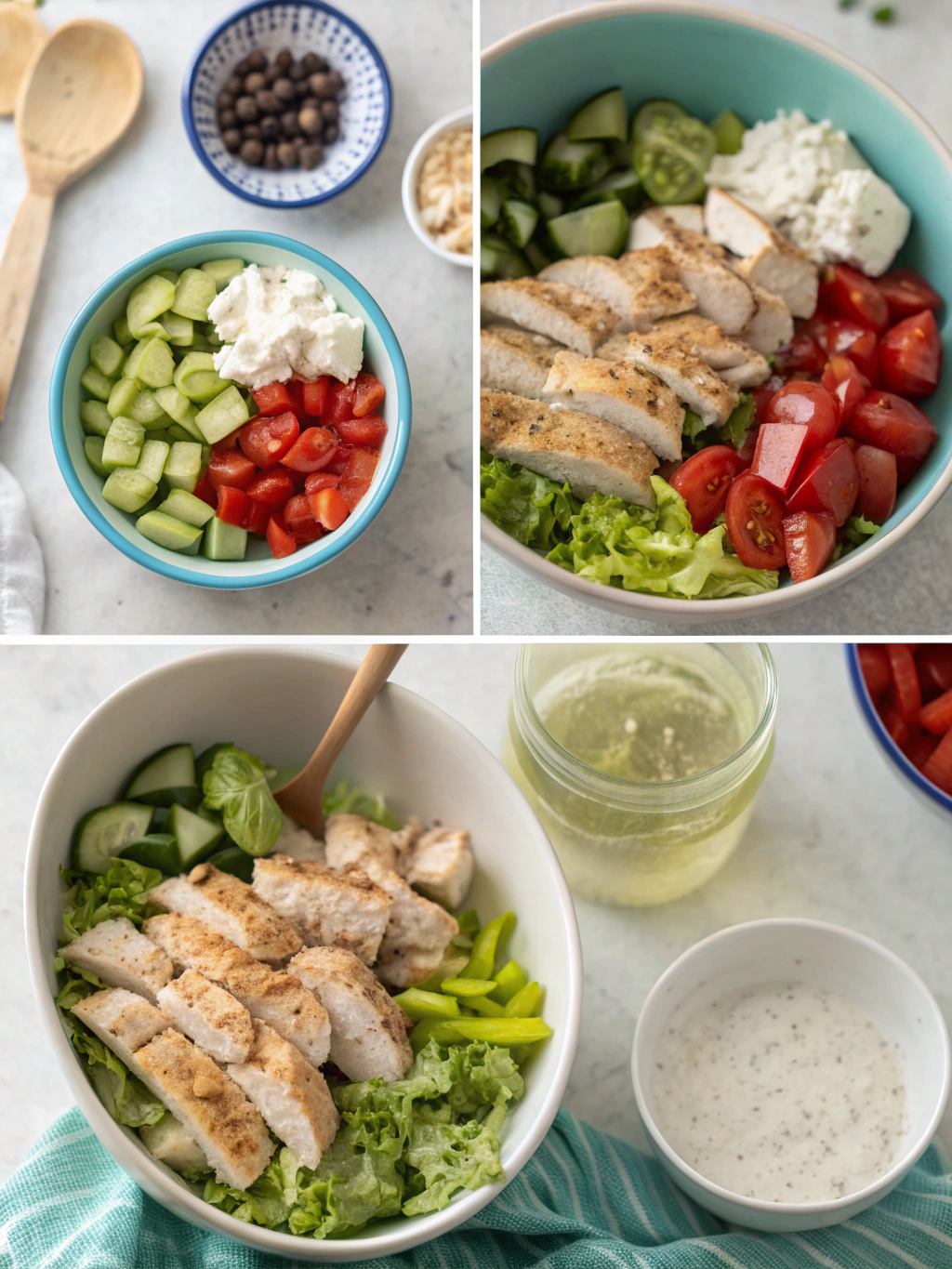
Step 1: Create the Marinade
The secret to a tender gluten-free greek chicken bowl lies in the acid-to-fat ratio of the marinade. In a small bowl, whisk together the olive oil, fresh lemon juice, minced garlic, dried oregano, salt, and black pepper.
Reserve about two tablespoons of this mixture to use as a dressing later. This ensures the fresh vegetables get a flavor boost that matches the protein.
Step 2: Marinate the Protein
Place your chicken breasts in a large Ziploc bag or a glass dish. Pour the remaining marinade over the chicken, ensuring every piece is well-coated. Seal or cover the container.
Let this sit in the refrigerator for at least 30 minutes. If you have time, marinating for up to 4 hours will denature the proteins further, resulting in an incredibly tender bite.
Step 3: Prepare the Grains
While the chicken is absorbing those flavors, cook your quinoa or brown rice according to package instructions. For added depth, use gluten-free chicken broth instead of water.
Once cooked, fluff the grains with a fork and let them cool slightly. Cooling the grains before assembly prevents the fresh vegetables from wilting when packed together.
Step 4: Cook the Chicken
Heat a large skillet or grill pan over medium-high heat. Add a splash of oil to coat the pan. Remove chicken from the marinade (discard the excess liquid) and place it in the hot pan.
Cook for 6-7 minutes on each side, or until the internal temperature reaches 165°F (74°C). Let the chicken rest on a cutting board for 5 minutes before slicing. Resting allows the juices to redistribute.
Step 5: Chop and Assemble
While the chicken rests, chop your cucumbers, tomatoes, and onions. Divide the cooked quinoa evenly among four meal prep containers.
Top the grain base with sliced chicken, fresh veggies, and olives. Sprinkle with feta cheese. Drizzle the reserved dressing over the top right before sealing, or store the dressing separately for maximum freshness.
Nutritional Information
Understanding what goes into your body is crucial for maintaining energy levels and long-term health. This recipe is a powerhouse of nutrition, balancing macronutrients effectively.
Each bowl provides a substantial amount of lean protein, essential for muscle repair and satiety. The use of olive oil contributes heart-healthy monounsaturated fats.
Furthermore, this dish is naturally high in fiber due to the vegetables and quinoa. Fiber aids in digestion and helps regulate blood sugar levels, preventing the dreaded afternoon slump.
Because this is a gluten-free greek chicken bowl, it is safe for those with Celiac disease or gluten sensitivity, provided certified GF ingredients are used. It eliminates inflammatory triggers often found in processed wheat products.
Healthier Alternatives for the Recipe
While the standard recipe is nutritious, you might have specific dietary goals or restrictions. Here are some data-backed modifications to tailor the meal to your needs.
Low-Carb Option: Swap the quinoa or rice for cauliflower rice. This reduces the carbohydrate count by nearly 75%, making it suitable for Keto or low-glycemic diets.
Dairy-Free Adaptation: Omit the feta cheese. To maintain the creamy texture, add diced avocado or a dollop of dairy-free almond milk yogurt mixed with dill.
Sodium Reduction: Olives and feta can be salty. To reduce sodium intake, rinse the olives thoroughly before adding them, or swap them for roasted red peppers for a different flavor profile.
Vegan Variation: Replace the chicken with chickpeas or firm tofu. Marinate them exactly as you would the chicken to ensure the flavor profile remains consistent.
Serving Suggestions
Presentation plays a significant role in how much we enjoy our food. Even a meal prep container can look appetizing with the right arrangement.
Consider serving this dish with a side of homemade tzatziki sauce. The probiotics in the yogurt aid gut health and the cool temperature contrasts beautifully with the spiced chicken.
If you are eating this at home, warm the chicken and grains separately before adding the cold toppings. This temperature contrast elevates the dining experience significantly.
For a crunchier texture, toss in some toasted pine nuts or pumpkin seeds just before eating. This adds a delightful mouthfeel and extra magnesium.
This recipe creates the ultimate celiac lunch meal prep experience. It travels well, requires minimal reheating, and smells fresh rather than overpowering in an office breakroom.
Common Mistakes to Avoid
Even simple recipes have potential pitfalls. Avoiding these common errors will ensure your meal prep remains delicious by Friday.
- Overcooking the Chicken: This is the most common error. Chicken breast dries out quickly. Use a meat thermometer to pull it off the heat exactly at 165°F.
- Dressing Too Early: If you pour the dressing over the salad days in advance, the acid will break down the vegetables, leading to a mushy texture. Keep sauce separate.
- Skipping the Rest Period: Cutting into the chicken immediately after cooking causes the savory juices to run out onto the board, leaving the meat dry and flavorless.
- Overcrowding the Pan: When cooking chicken, leave space between pieces. Crowding causes the meat to steam rather than sear, preventing that delicious golden-brown crust.
Storing Tips for the Recipe
Proper storage is the key to successful meal prepping. You want the meal on day four to taste as good as the meal on day one.
Use high-quality, airtight glass containers. Glass does not absorb odors or stains like plastic, and it is safer for reheating if you choose to warm your base.
Store the cucumber, tomato, and feta salad in a separate compartment or on top of the greens if possible. If you are mixing everything, ensure the ingredients are cool before sealing the lid to prevent condensation.
The cooked chicken and grains will last for up to 4 days in the refrigerator. If you need to prep for longer, freeze the cooked chicken and quinoa in separate bags for up to 3 months.
Do not freeze the fresh vegetables or the dairy components, as their texture will degrade significantly upon thawing. Fresh components should always be prepped weekly.
Conclusion
Mastering the art of the gluten-free greek chicken bowl can transform your weekly routine. It combines the vibrant, heart-healthy flavors of the Mediterranean with the practicality of modern meal prepping.
By investing a small amount of time on


