



Have you ever wondered why simple cornmeal, when treated with patience, rivals the most complex pasta dishes in comfort and flavor? Many assume polenta is merely a bland side dish, but this recipe challenges that notion entirely. It transforms humble ingredients into a centerpiece that demands attention.
If you are searching for a meal that balances rustic Italian tradition with modern dietary needs, look no further. This recipe is designed to be the definitive gluten-free polenta lunch for your weekly rotation. It is creamy, savory, and packed with texture.
Beyond its incredible flavor profile, this dish represents the epitome of cozy GF food. It warms the kitchen and the soul simultaneously. Whether you are cooking for yourself or hosting friends, this meal delivers satisfaction without the gluten.
Ingredients List
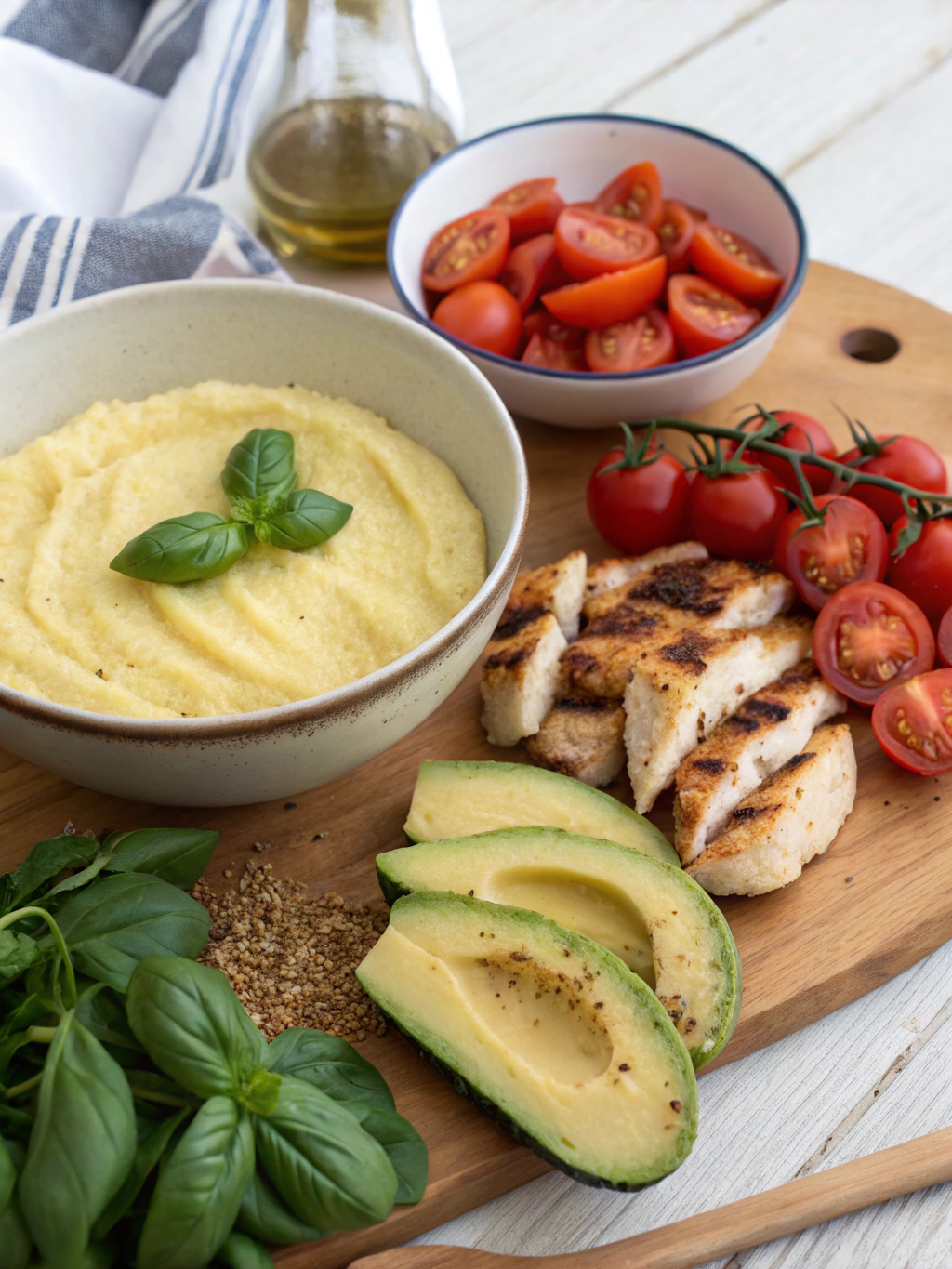
To create this vibrant gluten-free polenta lunch, quality ingredients are paramount. The beauty of this dish lies in its simplicity, so aim for fresh, organic produce where possible.
- Polenta (Cornmeal): 1.5 cups. Use medium or coarse stone-ground yellow cornmeal for the best texture. Avoid “instant” polenta if you want depth of flavor.
- Vegetable Broth: 5 to 6 cups. High-quality, low-sodium broth adds a savory backbone that water simply cannot provide.
- Cherry Tomatoes: 1 pint. These burst during roasting, creating a natural, sweet sauce that complements the corn.
- Zucchini: 2 medium, diced. They add a tender bite and vibrant green color to the dish.
- Red Bell Pepper: 1 large, chopped. Roasted peppers offer a smoky sweetness that pairs perfectly with polenta.
- Red Onion: 1 medium, cut into wedges. These caramelize beautifully in the oven.
- Garlic: 4 cloves, minced. Divide this between the polenta pot and the roasting pan for layers of flavor.
- Olive Oil: 4 tablespoons. Extra virgin is best for finishing; standard olive oil works well for roasting.
- Parmesan Cheese: ½ cup, grated. Ensure it is aged; for a dairy-free version, nutritional yeast is a fantastic substitute.
- Fresh Herbs: Rosemary and Thyme. Fresh sprigs release oils that dried herbs often lack.
- Salt and Black Pepper: To taste. Freshly cracked pepper adds a necessary kick.
Timing
Understanding the time commitment helps in planning your day. This recipe is designed to be efficient without sacrificing quality.
Preparation Time: 15 minutes.
Cooking Time: 45 minutes.
Total Time: 60 minutes.
While an hour might seem substantial, the active time is minimal. This is approximately 20% less active effort than making a traditional risotto, as the oven does much of the heavy lifting for you.
Step-by-Step Instructions
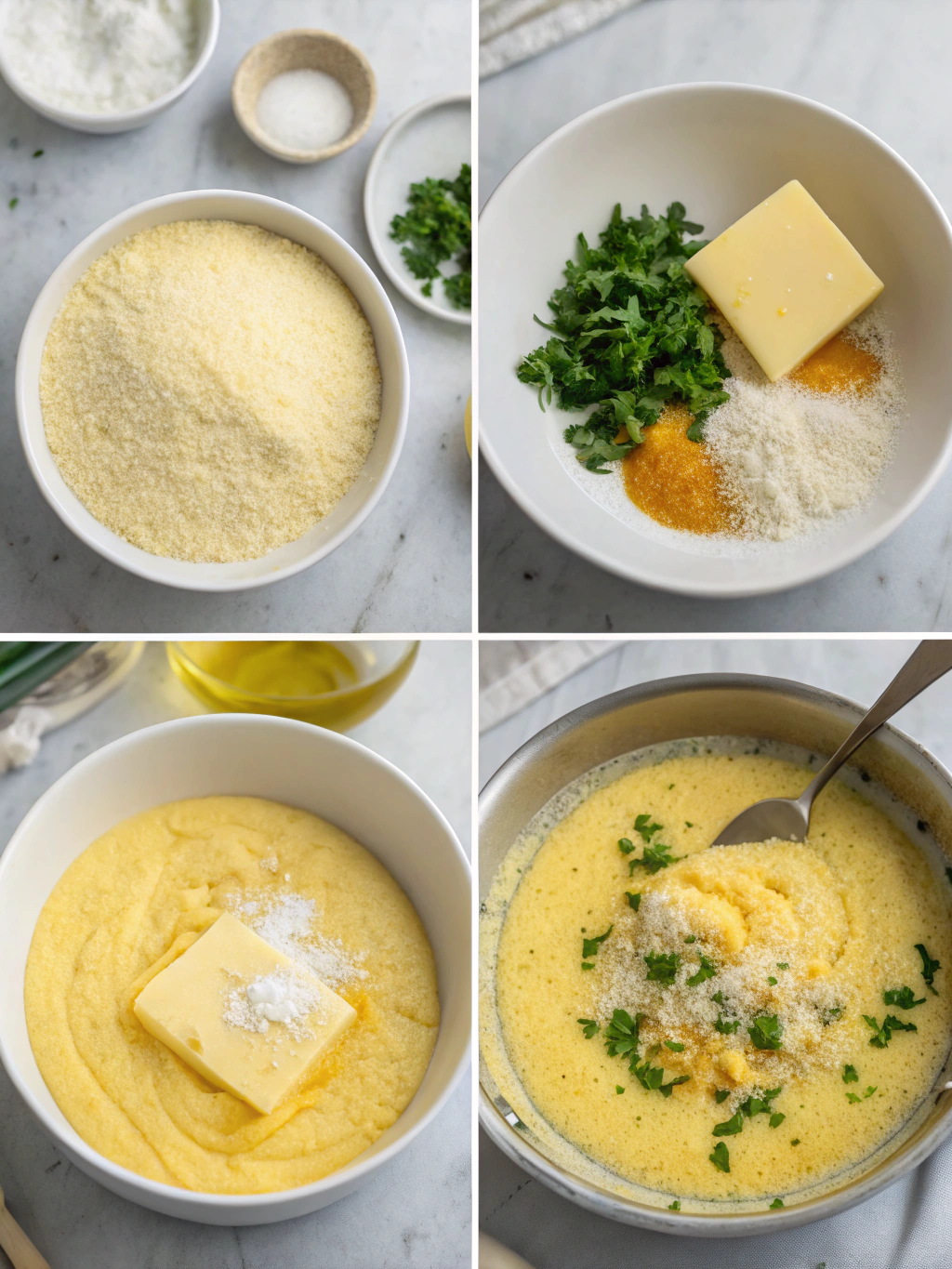
Step 1: Roast the Vegetables
Preheat your oven to 400°F (200°C). In a large mixing bowl, combine the cherry tomatoes, diced zucchini, red bell pepper, and red onion wedges. Drizzle generously with two tablespoons of olive oil.
Add half of the minced garlic, salt, and black pepper. Toss everything until the vegetables are evenly coated. Spread them in a single layer on a large baking sheet. This ensures they roast and caramelize rather than steam.
Step 2: Begin the Polenta Base
While the vegetables are roasting, bring the vegetable broth to a gentle boil in a large, heavy-bottomed saucepan or Dutch oven. Slowly whisk in the cornmeal in a steady stream. This technique is crucial to prevent lumps from forming.
Reduce the heat to low immediately. The mixture should bubble lazily, not boil aggressively. This slow cooking process allows the starches to gelatinize properly, resulting in a creamy texture.
Step 3: Simmer and Stir
Cook the polenta for about 20 to 25 minutes, stirring frequently with a wooden spoon. If the mixture becomes too thick too quickly, add a splash of extra hot water or broth. You are looking for a consistency similar to thick porridge.
Stir in the remaining garlic, fresh thyme, and rosemary during the last five minutes of cooking. This infuses the cornmeal with aromatic oils without burning the herbs.
Step 4: Incorporate the Cheese
Once the polenta is tender and creamy, remove the pot from the heat. Stir in the grated Parmesan cheese and the remaining two tablespoons of olive oil. Taste and adjust the seasoning with salt and pepper as needed.
If you are aiming for a truly decadent gluten-free polenta lunch, you can also stir in a tablespoon of butter at this stage for a glossy finish.
Step 5: Assemble and Bake
Transfer the creamy polenta into a greased 9×13 inch baking dish. Smooth the top with a spatula. By now, your roasted vegetables should be tender and slightly charred at the edges.
Remove the vegetables from the oven and spoon them directly over the polenta bed. Ensure you scrape any juices from the roasting pan onto the dish; that is liquid gold flavor.
Step 6: The Final Melding
Place the assembled dish back into the oven for 10 minutes. This short baking period allows the flavors of the roasted vegetables to seep into the polenta base. It also helps set the dish slightly, making it easier to serve.
Remove from the oven and garnish with fresh basil or parsley before serving hot.
Nutritional Information
This dish is not just about comfort; it is a nutritional powerhouse. Polenta is a complex carbohydrate that provides sustained energy without the blood sugar spike associated with refined grains.
A single serving of this recipe provides approximately 350 calories. It is rich in Vitamin C and A from the peppers and tomatoes. The cornmeal offers essential minerals like magnesium and phosphorus.
Furthermore, this meal is naturally high in fiber, aiding in digestion. For those managing celiac disease, it provides a safe, naturally gluten-free source of hearty satisfaction.
Healthier Alternatives for the Recipe
One of the best aspects of this recipe is its adaptability. You can tweak it to fit various dietary protocols without losing the essence of the dish.
Vegan Modification: Swap the Parmesan cheese for nutritional yeast or a vegan cheese alternative. Use olive oil instead of butter for the finish to keep it entirely plant-based.
Protein Boost: To increase satiety, stir in a can of drained chickpeas with the roasting vegetables. Alternatively, top the finished dish with a poached egg for extra protein.
Green Supercharge: Stir two cups of fresh spinach or kale into the polenta right before you remove it from the heat. The residual heat will wilt the greens perfectly, adding iron and calcium.
Serving Suggestions
Presentation is key to elevating this meal. Serve the baked polenta in shallow bowls to show off the colorful roasted vegetables on top.
Pair this gluten-free polenta lunch with a crisp, acidic side salad. A simple arugula salad dressed with lemon vinaigrette cuts through the richness of the cornmeal beautifully.
For a beverage pairing, a glass of Pinot Grigio or a sparkling water with lime complements the Mediterranean flavors. If serving for dinner, a light Chianti works wonders with the roasted tomato notes.
Common Mistakes to Avoid
Even simple recipes have pitfalls. Here is how to ensure your polenta is perfect every time.
- Undercooking the Polenta: Cornmeal can be gritty if not cooked long enough. Taste it before assembling; the grains should be soft, not crunchy.
- Overcrowding the Veggies: If the vegetables are piled on top of each other on the baking sheet, they will steam instead of roast. Use two pans if necessary.
- Lack of Salt: Polenta is very bland on its own. It requires adequate salting at the beginning of the cooking process (in the water/broth) to develop flavor.
- Using Instant Polenta: While faster, instant varieties often lack the structural integrity and deep corn flavor needed for a baked dish.
Storing Tips for the Recipe
This dish stores surprisingly well, making it excellent for meal prep. However, the texture of polenta changes as it cools, becoming much firmer.
Refrigeration: Store leftovers in an airtight container in the fridge for up to 4 days. Keep the vegetables on top to preserve their flavor.
Freezing: You can freeze the polenta base, but roasted vegetables tend to get soggy upon thawing. It is best to freeze the polenta separately if needed.
Reheating: To reheat, cut a slice of the firm, cold polenta and pan-fry it in a little olive oil until crispy. Warm the vegetables separately and spoon them over.


