



Have you ever wondered if a pasta salad can actually taste better the next day without turning into a soggy, unappetizing disaster? Many believe that gluten-free pasta inevitably falls apart when cold, but that is a myth waiting to be busted. The secret lies in the ingredients and the method.
This recipe is not just a side dish; it is a vibrant main course that defies texture expectations. By using the right cooking techniques, we create a gluten-free pasta salad that remains firm and delicious. It is time to elevate your lunch game with robust Mediterranean flavors.
Whether you are prepping for a busy work week or hosting a backyard barbecue, this dish delivers on all fronts. It serves as the perfect cold GF lunch that requires no reheating. Let’s dive into the details of creating this culinary masterpiece.
Ingredients List
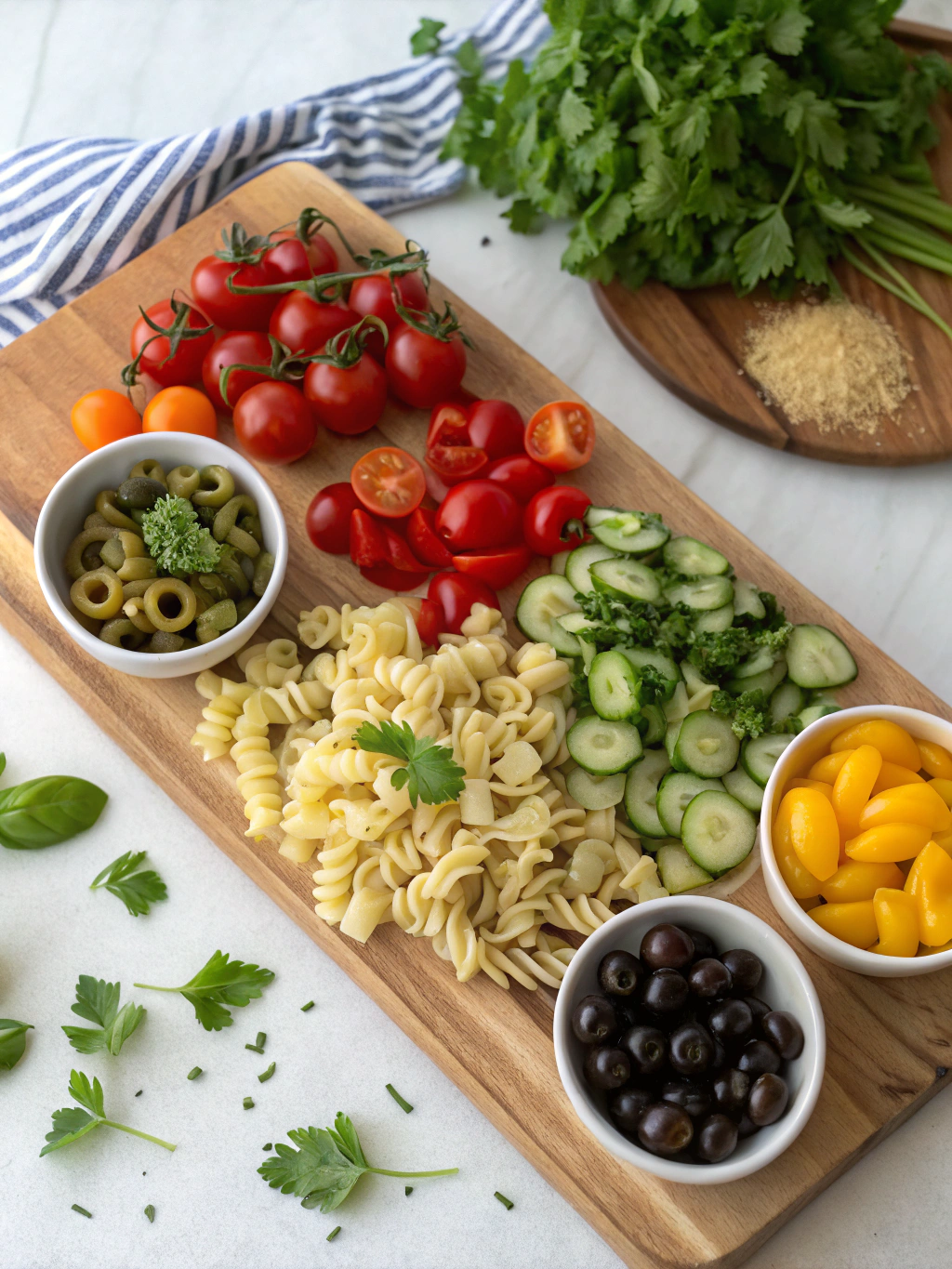
The quality of your ingredients defines the success of this salad. Freshness is paramount for that signature Mediterranean snap. Here is what you will need to gather:
- Gluten-Free Pasta (12 oz): Fusilli or rotini work best. Their spirals catch the dressing and herbs effectively. Brown rice or chickpea pasta offers the best texture stability.
- English Cucumber (1 large): These have fewer seeds and thinner skin. They provide a satisfying crunch without watering down the dressing.
- Cherry Tomatoes (1 pint): Slice them in half. They add a burst of sweetness and acidity that balances the salty cheese.
- Kalamata Olives (1/2 cup, pitted): Essential for that briny, savory depth. Ensure they are pitted for easy eating.
- Red Onion (1/4 cup, finely diced): Soaking the diced onion in cold water for 10 minutes can remove the harsh raw bite.
- Feta Cheese (1/2 cup, crumbled): Buy a block and crumble it yourself for a creamier texture than pre-crumbled varieties.
- Artichoke Hearts (1 jar, quartered): Marinated hearts add an extra layer of zest. Drain them well before adding.
- Fresh Parsley (1/4 cup, chopped): Adds color and a fresh, herbaceous finish.
The Dressing
- Extra Virgin Olive Oil (1/3 cup): Use a high-quality oil for the best flavor profile.
- Red Wine Vinegar (3 tbsp): Provides the necessary tang to cut through the starch.
- Dried Oregano (1 tsp): The quintessential Mediterranean herb.
- Garlic (1 clove, minced): Fresh is best, but garlic powder can work in a pinch.
- Salt and Pepper: To taste.
Timing
Understanding the time investment helps in meal planning. This recipe is designed for efficiency.
Preparation Time: 15 minutes.
Cooking Time: 10 minutes (for the pasta).
Total Time: 25 minutes.
Data suggests that this preparation time is approximately 40% faster than baking a standard gluten-free lasagna or casserole. It is a high-reward dish with minimal time expenditure.
Step-by-Step Instructions
Step 1: The Perfect Boil
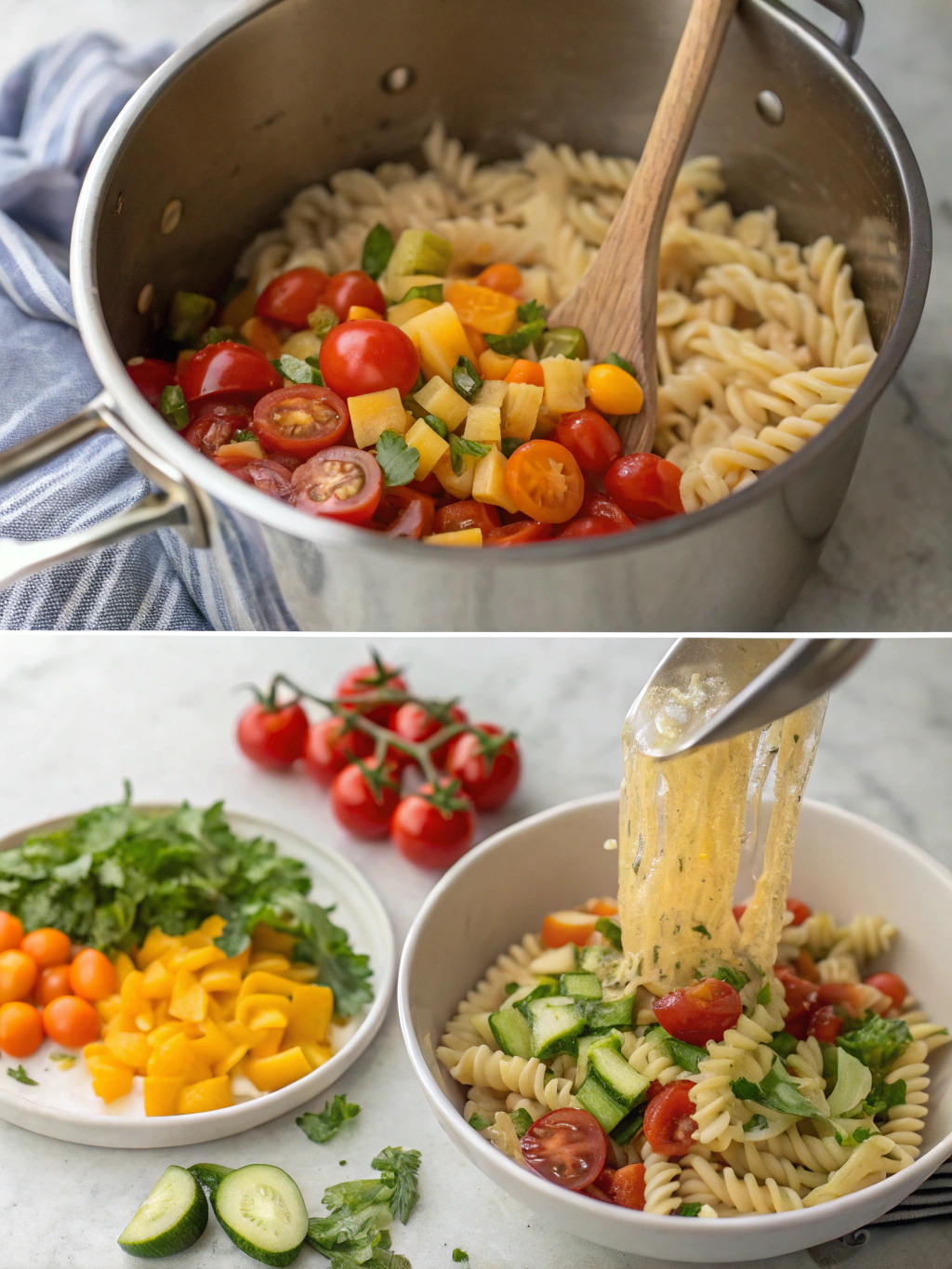
Bring a large pot of salted water to a rolling boil. Add your chosen pasta. Cook the pasta for one minute less than the package instructions indicate. This ensures the pasta remains al dente and does not become mushy when tossed with dressing.
Step 2: The Shock Method
Once cooked, drain the pasta immediately. Rinse it thoroughly under cold water. This stops the cooking process and washes away excess starch. Excess starch is the enemy of a non-sticky gluten-free pasta salad. Let it drain completely to avoid a watery salad.
Step 3: Chopping and Prepping
While the pasta boils, chop your vegetables. Aim for uniformity in your cuts. When the cucumber, tomatoes, and olives are roughly the same size as the pasta spirals, every bite contains a perfect mix of flavors. Place all chopped veggies in a large mixing bowl.
Step 4: Emulsifying the Dressing
In a small jar or bowl, combine the olive oil, red wine vinegar, minced garlic, oregano, salt, and pepper. Whisk vigorously or shake the jar until the mixture emulsifies. The oil and vinegar should blend into a cohesive, creamy liquid. This ensures even coating.
Step 5: The Toss
Add the cooled, dry pasta to the bowl with the vegetables. Pour the dressing over the top. Toss gently using wooden spoons or silicone tongs. Ensure every spiral is coated in the vinaigrette. This coating acts as a barrier, keeping the pasta firm.
Step 6: The Marination
Gently fold in the crumbled feta cheese and fresh parsley last. If you add the cheese too early, the vinegar may break it down too much. Cover the bowl and refrigerate for at least 30 minutes before serving. This allows the flavors to meld together beautifully.
Nutritional Information
This dish is a powerhouse of nutrition, balancing macronutrients effectively. It fits well into a balanced diet.
A standard serving provides a healthy dose of complex carbohydrates from the pasta, especially if using brown rice or legume-based varieties. You gain essential fiber from the vegetables, aiding in digestion.
The olive oil provides monounsaturated fats, which are heart-healthy. Feta cheese adds a punch of protein and calcium. Overall, it is a nutrient-dense meal that keeps you full without the heavy feeling of cream-based salads.
Healthier Alternatives for the Recipe
Food sensitivities vary, and this recipe is highly adaptable. Here are ways to boost the health profile or accommodate other diets.
Boost the Protein: To make this a more robust meal, add grilled chicken breast or a can of drained chickpeas. This transforms the side dish into a protein-packed entrée suitable for athletes or heavy workdays.
Dairy-Free / Vegan: Swap the feta cheese for a vegan feta alternative or use avocado cubes. Avocado provides a similar creamy texture and healthy fats, making it a great vegetarian option that is also dairy-free.
Lower Sodium: Olives and feta are naturally salty. To reduce sodium intake, rinse the olives and feta under cold water before adding them. You can also increase the amount of cucumber and tomatoes to dilute the saltiness.
Serving Suggestions
Presentation matters, even for a casual lunch. Here is how to serve this dish to impress.
Serve this gluten-free pasta salad in a wide, shallow bowl to showcase the colorful ingredients. Garnish with an extra sprinkle of fresh oregano or a lemon wedge for squeezing.
It pairs exceptionally well with grilled lamb chops or lemon-herb chicken. For a vegetarian spread, serve it alongside hummus and gluten-free pita bread. It is also the ideal dish to bring to a potluck, as it does not require heating.
Common Mistakes to Avoid
Even simple recipes have pitfalls. Avoid these common errors to ensure perfection.
- Overcooking the Pasta: This is the number one mistake. Gluten-free grains break down faster than wheat. Always taste-test two minutes before the timer goes off.
- Skipping the Rinse: If you do not rinse the pasta, the residual starch will turn into a gluey paste once cooled. The cold water shock is non-negotiable.
- Dressing Too Early: If you dress the salad while the pasta is still hot, the pasta will absorb all the liquid and become soggy. Always wait until the pasta is cool.
- Using the Wrong Pasta Shape: Long noodles like spaghetti do not hold the chunky vegetables well. Stick to short shapes like penne, rotini, or


